

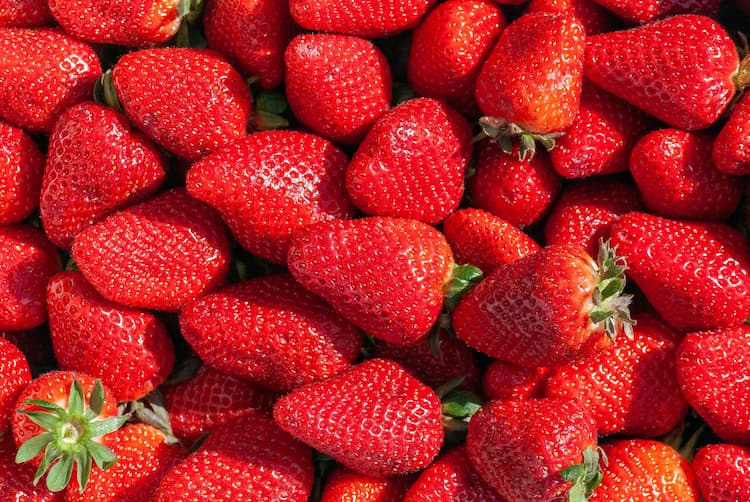
Berry Smart: How to Outsmart the Produce Aisle and Pick the Perfect Strawberry
Walking into the produce section and seeing a massive wall of bright crimson strawberries is an instant mood lifter. They look pristine nestled inside their clear plastic clamshells, promising a burst of sweet, juicy summertime flavor. But we’ve all experienced the ultimate kitchen betrayal: you get them home, wash a handful, bite in, and instead of a natural sugar rush, you get a mouthful of sour, watery disappointment.
Strawberries are one of the most volatile items in the grocery store. Because they lack any protective armor, a single bad choice in the aisle can leave you with a container that collapses into white mold before you can even plan your morning breakfast bowl. To consistently find berries that taste as vibrant as they look, you need to understand how they grow, how they travel, and the specific warning signs that tell you exactly what’s happening inside that plastic box.
The True Strawberry Season
While modern global supply chains make strawberries available 365 days a year, their natural peak season runs from late spring-summer. They typically peak between May and August. During these months, the fruit benefits from the perfect balance of intense daytime sun and cool nights. This ideal climate allows the plant to pump maximum natural sugars into the berries. Buying them out of season often means you are getting fruit that was forced to grow in artificial greenhouse climates or shipped from thousands of miles away, resulting in a bland flavor profile.
From Field to Fridge: The Fragile Logistics
To understand why grocery store strawberries can be such a gamble, you have to look at their journey. Strawberries are notoriously heavy feeders that require precise soil nutrients to thrive, but their most defining characteristic is their incredible fragility. Unlike tougher crops like apples or potatoes, no machine on earth can harvest a strawberry without obliterating it. Every single ripe berry you buy has been individually judged, selected, and hand-picked by a human worker.
Once clipped, a frantic race against the clock begins. Strawberries do not possess an internal ripening mechanism after harvest; the sugar content they have on the vine stays similar after picking. To keep them from rotting on the way to the supermarket, they are instantly rushed into hyper-refrigerated cooling facilities, packed into ventilated plastic clamshells that allow the fruit to breathe, and trucked cross-country in temperature-controlled rigs.

What to Avoid in the Aisle
According to insights from commercial berry growers, navigating the grocery store requires a sharp eye for specific red flags to avoid buying a bad batch.
- White or Green "Shoulders": If you notice a pale, white, or greenish ring around the top of the berry near the stem, leave it on the shelf. Because strawberries stop ripening the second they are picked, those pale necks will remain tart, woody, and completely devoid of sweetness.
- The Wet Bottom: Always flip the clamshell upside down before putting it in your cart. If the absorbent pad at the bottom is stained dark red or looks wet, the weight of the fruit has crushed the bottom layer. Leaking juice is an open invitation for mold spores, meaning the container is already decaying.
- Withered, Brown Leaves: Look closely at the calyx (the green leafy crown). If the leaves are dry, brittle, brown, or curling upward, the berries have been sitting in storage or transit for far too long.
Green Flags: Spotting a Premium Berry
To ensure you're fueling your body with the absolute best, look for these indicators of a high-quality, fresh harvest:
- Uniform Crimson Skin: A spectacular strawberry should be a deep, glossy red from the very tip all the way to the base of the green leaves.
- Perky, Bright Green Crowns: Freshly picked berries sport vibrant, flexible, and emerald-green leaves that lay flat against the fruit.
- The Aroma Test: This is the ultimate insider secret. Lift the clamshell up to your nose. If you can’t smell anything through the ventilation slots, the berries will taste like water. If you get an intense, perfume-like, sweet strawberry aroma, you’ve hit the jackpot.
5. The Farmers Market Secret
If you want a truly transcendent flavor experience, head to your local farmers' market. Because local growers don’t have to engineer their crops to survive five days in a refrigerated truck, they can let the fruit fully ripen on the vine. This maximizes the berries' score on the Brix scale, which measures natural sugar content by weight. They might look smaller or less uniform than grocery store clones, but they explode with an unprocessed, concentrated sweetness.
The Sweet Spot!
Coloration, texture, aroma, and temperature are all cues for the consumer. A strawberry consumed warm or at room temp will taste sweeter than the same strawberry served cold.
Choosing a flawless haul of strawberries means activating all of your senses right there in the produce aisle. When you actively look, handle, and smell past the surface shine, you stop relying on grocery store guesswork. Tuning into those physical clues is the absolute best way to consistently track down those perfect, vibrant strawberries you actually look forward to eating.
Sources:
Jones, A. (2026). "Never Buy Strawberries if You Notice This, According to a Farmer Who Grows Them." EatingWell.
California Strawberry Commission. (2025). "The Journey of a Berry: Field to Clamshell Harvesting Logistics."
University of California Agriculture and Natural Resources. (2024). "Postharvest Handling and Quality Metrics for Small Fruits."



Leave a comment
All comments are moderated before being published.
This site is protected by hCaptcha and the hCaptcha Privacy Policy and Terms of Service apply.