

Trying to eat “better” has honestly become more confusing than it should be.
You walk into a grocery store and see words like clean, natural, minimally processed, and ultra-processed everywhere. After a while, it starts feeling like every packaged food is either supposed to be completely healthy or completely terrible.
But real food choices are usually not that black-and-white. The truth is, most foods are processed in some way. Even foods many of us keep in the fridge every week, such as yogurt, frozen fruit, canned beans, or salad greens, go through some level of processing before we buy them.
This guide breaks down what processed food actually means, what minimally processed food really looks like, and why the level of processing matters much more than trendy packaging words.
What is Processed Food?
Many of the foods we eat every day are technically processed.
That sometimes surprises people because the word “processed” has slowly taken on a negative connotation online. But processed food simply means food that has been changed from its original form somehow. That change could be freezing, cooking, drying, fermenting, chopping, packaging, or preserving food to extend its shelf life.
Frozen vegetables are processed. Bread is processed. Cheese, yogurt, canned beans, and even pre-washed salad mixes count too.
People often group all processed foods, even though frozen peas and sugary snack cakes are clearly not the same thing. That difference matters much more than the label itself.
Minimally Processed Food: What it Means
When people talk about healthier processed foods, they usually mean minimally processed foods.
Minimally processed food refers to foods changed mainly for freshness, convenience, storage, or safety rather than heavy manufacturing.
Some common examples include:
- frozen fruit
- plain yogurt
- roasted nuts
- pre-cut vegetables
- washed salad greens
These foods still stay pretty close to their original form. People also forget that processing itself is not inherently bad. Sometimes, processing simply makes food safer, easier to prepare, or more realistic for everyday life.
Most of us are not picking vegetables straight from a farm every evening after work. The NOVA classification, often used in nutrition discussions, classifies foods into categories such as unprocessed, minimally processed, processed, and ultra-processed.
That distinction honestly matters much more than treating every processed food the same way.
What Does Clean Label Actually Mean?

This is probably where things get the most confusing. “Clean label” is not really a strict legal definition. It is mostly a shopper-focused term that suggests simplicity and transparency.
Usually, clean label products focus on:
- shorter ingredient lists
- recognizable ingredients
- fewer artificial flavors or colors
- less confusing additives
A lot of people simply feel more comfortable buying foods with ingredients they recognize easily.
But a clean label does not automatically mean you’re eating food with clean ingredients. The clean-label vs. processed-food conversation is really more about ingredient quality, transparency, and the degree of processing than a simple “healthy versus unhealthy” debate.
Once you stop expecting food to fit into perfect categories, things become much easier to understand.

Ultra-Processed Foods List: What Usually Falls Into This Category
Ultra-processed foods are usually what people are talking about when they criticize processed food.
These foods are generally industrially manufactured products made with ingredients or additives not commonly used in home kitchens.
Some common examples include:
- soda
- candy
- sugary cereals
- instant noodles
- packaged snack cakes
- many chips
- Heavily processed frozen meals
At the same time, it is important not to turn the conversation into a fear-based eating pattern.
The FDA has stated there is currently no single authoritative definition of ultra-processed foods for the U.S. food supply.
Clean Eating vs Processed: Where People Get Confused
A lot of confusion also comes from the phrase “clean eating.” Usually, the idea encourages eating more whole or minimally processed foods, which can absolutely be helpful.
But the phrase itself is still pretty vague.
A food can absolutely be processed and still useful, nutritious, or convenient.
At the same time, something marketed as “natural” or “clean” can still contain large amounts of sugar, sodium, or saturated fat. That is why the best question is not: “Is this processed?”
The better questions are:
- How processed is it?
- What ingredients are being used?
- How often am I eating it?
- Does it help create a balanced meal?
These questions will give you much better answers about exactly what it is that you’re eating.
Where Rise & Puff Fits Into the Clean Label Conversation
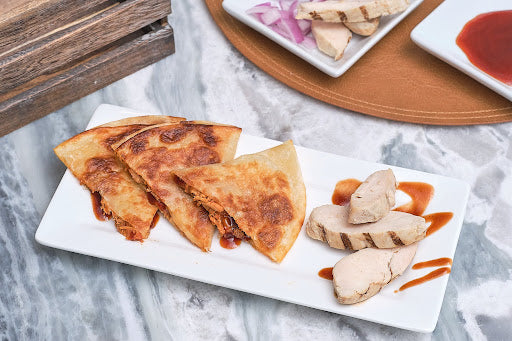
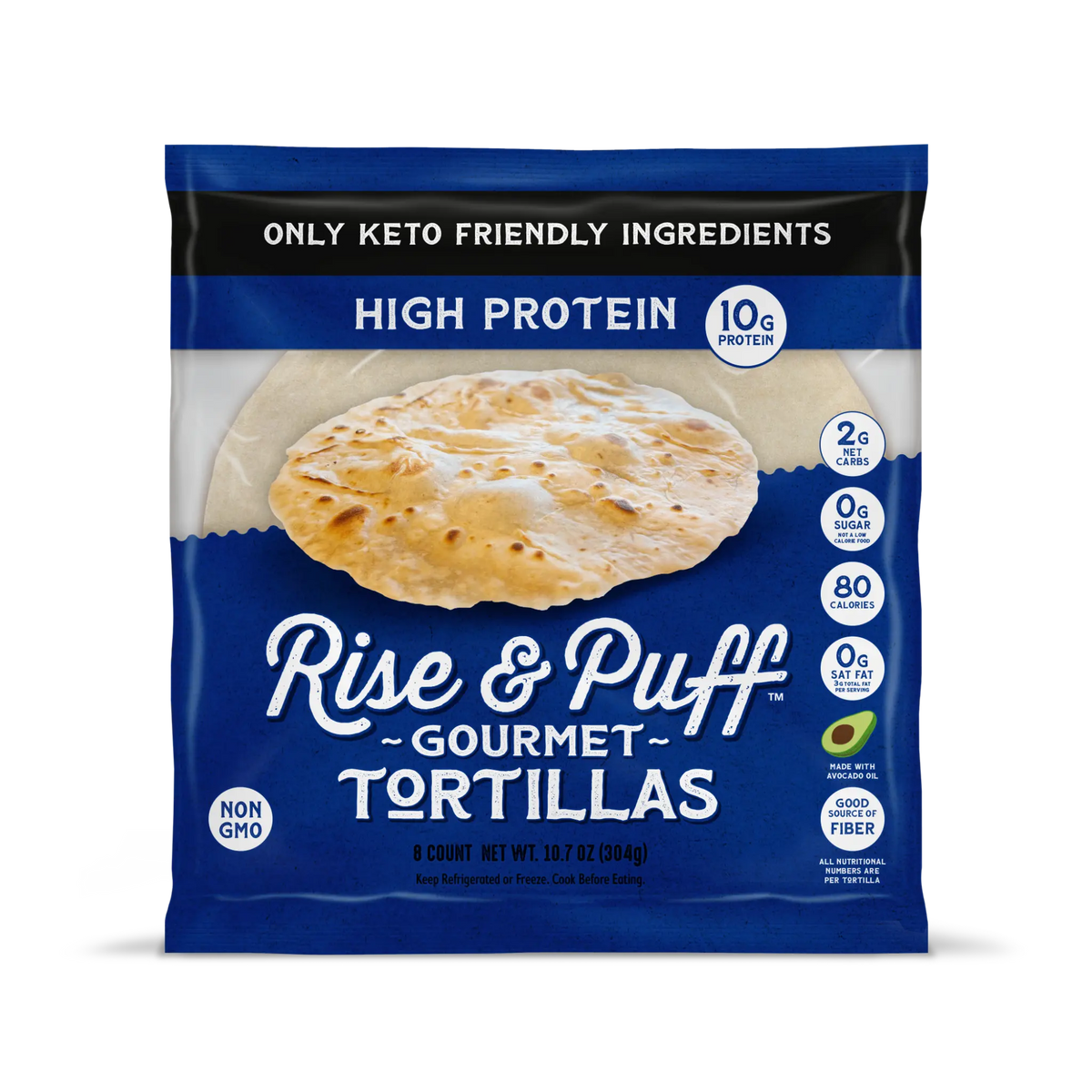
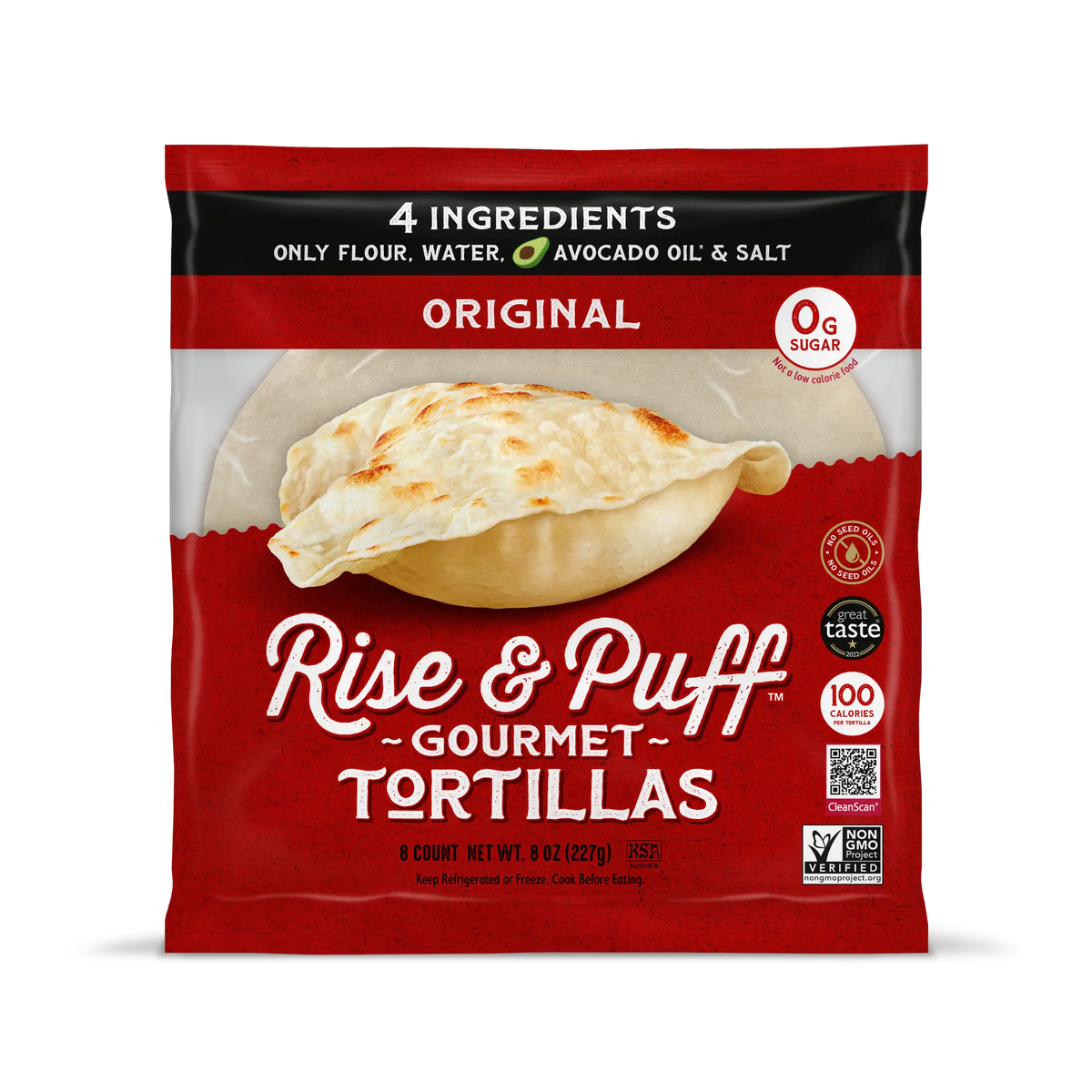
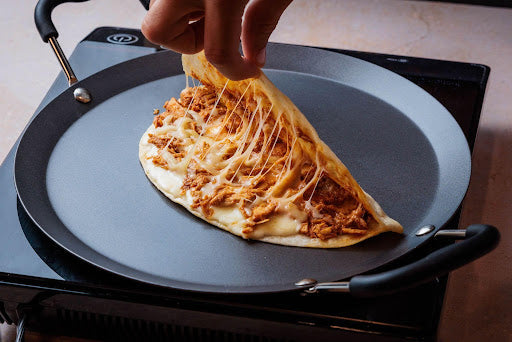
Rise & Puff fits into this conversation because our products are built around simple, practical meal solutions. The tortillas, frozen quesadillas, breakfast quesadillas, and chicken pot pie all give you convenient options without making the ingredient story feel overly complicated.
The point is not perfection. It has foods that are easy to understand, quick to prepare, and useful in real routines. Whether you are heating a cheese quesadilla, using a Rise & Puff tortilla for a quick wrap, or pairing the Chicken Pot Pie with a fresh side, the products help make everyday meals feel simpler without overthinking the label.
Frequently Asked Questions
Why do people avoid ultra-processed foods?
Many people avoid them because they can contain high amounts of added sugar, sodium, artificial additives, or heavily refined ingredients.
Are frozen foods considered processed?
Yes. Freezing is a form of processing, but many frozen foods are still minimally processed.
Does a short ingredient list always mean healthier food?
Not always. A shorter ingredient list may feel simpler, but nutrition still depends on the overall ingredients and balance.
How can I tell if a food is heavily processed?
Foods with long ingredient lists, artificial additives, and industrial ingredients are usually more heavily processed.
The Real Difference Comes Down to Ingredients and Intent

The clean-label vs. processed-food conversation is not really a simple good-versus-bad argument.
Clean label usually focuses on simpler ingredients and transparency. Processed food refers to how much a food has changed from its original form.
And honestly, most of us eat a mix of both every single day.
The smarter approach is usually choosing more whole and minimally processed foods when possible, while still making room for convenient foods that realistically fit everyday life.
Choose Rise & Puff’s products, and enjoy food made with no preservatives or artificial ingredients and minimal added sugar.


Leave a comment
All comments are moderated before being published.
This site is protected by hCaptcha and the hCaptcha Privacy Policy and Terms of Service apply.