

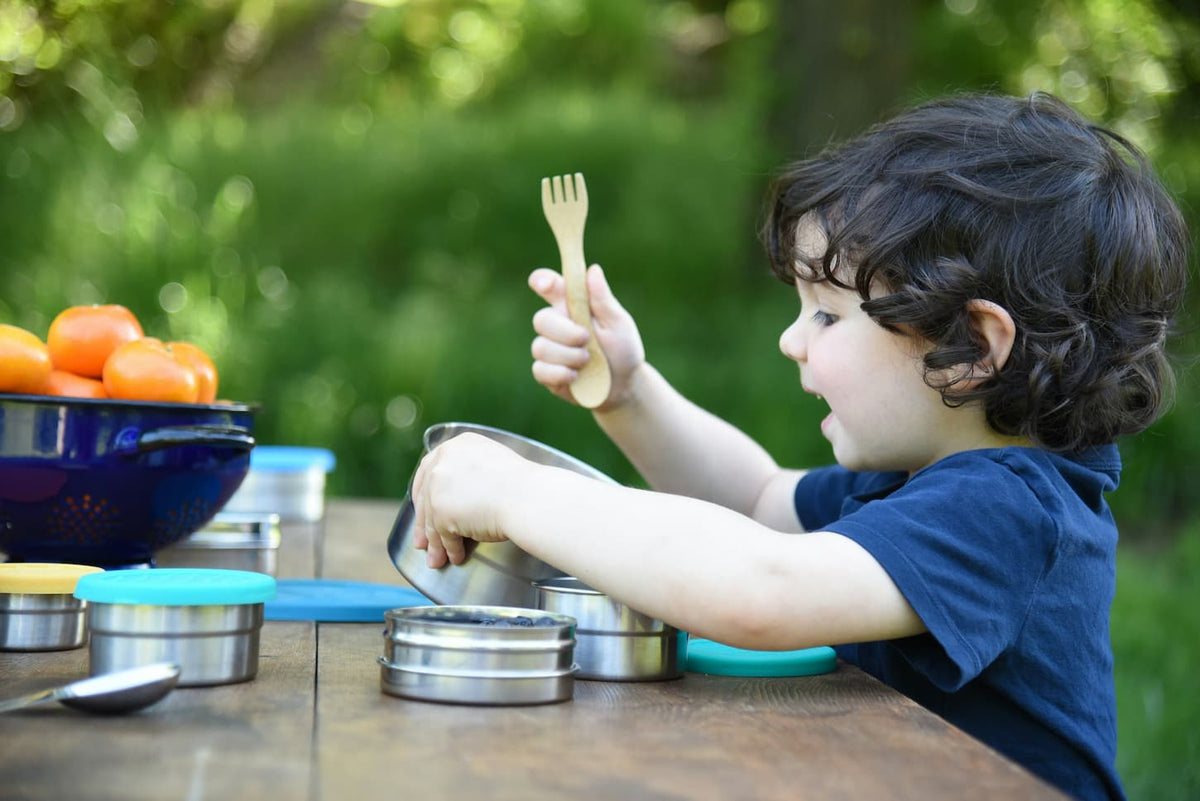
It’s 3:30 PM. The front door swings open, backpacks are dropped onto the entryway floor, and you unzip your kid’s lunchbox with cautious optimism.
And there it is: a squished, half-eaten sandwich, a lukewarm cheese stick, and a bag of bruised apple slices staring back at you.
Packing school lunches every single morning is a marathon, not a sprint. During the first few weeks of the school year, even the most organized parents hit a wall. When lunches come home untouched, it’s usually not because your child suddenly hates food; it’s usually because of a small, easily fixable packing glitch.
Welcome to Lunchbox Rehab. Here are the three most common back-to-school lunch mistakes, how to fix them, and the smart tricks that will keep food safe, fresh, and actually eaten!

Mistake 1: The Soggy Sandwich Sadness
- The Problem: Moisture is the ultimate enemy of sliced bread. By 12:15 PM, mayo, mustard, juicy tomatoes, or wet deli meat soak directly into the bread, leaving behind a mushy texture that kids instantly reject.
- The Fix: Create a condiment barrier or make a smart swap. Spread butter, cream cheese, or nut butter directly onto the bread slices before adding wet toppings. The fat creates a moisture-proof seal. Better yet? Ditch flimsy sandwich bread altogether for sturdy roll-ups using Rise & Puff Tortillas. Tortillas hold up brilliantly to fillings without getting soggy. A quick turkey-and-cheese pinwheel or a cold pesto chicken tortilla pocket stays intact all morning long.

Mistake 2: Thermal Failure (Hot Food Goes Cold, Cold Food Goes Warm)
- The Problem: Tossing leftovers into a plastic container or putting a room-temperature juice box next to a yogurt cup leads to unappealing temperatures by lunch.
-
The Fix: Pre-condition your thermoses and double up on ice packs.
- For Hot Foods: Pour boiling water into an insulated stainless-steel thermos and let it sit for 5 minutes to warm up the vessel. Drain the water, immediately add piping-hot soup, mac and cheese, or warm food, and seal it tight.
- For Cold Foods: Never rely on just one tiny ice pack. Place one ice pack underneath the food and one directly on top. Cold air sinks, so top-loading ice keeps the entire lunch compartment cool.
Mistake 3: Goldilocks Portioning (Too Big or Too Intimidating)
- The Problem: Packing adult-sized portions or cluttering a lunchbox with seven different loose bags can overwhelm young kids, especially when they only have 20 minutes to sit, unpack, eat, and chat with friends.
- The Fix: Think bite-sized and streamlined. Use bento-style compartmentalized boxes that are easy to open with one latch. Cut wraps into mini pinwheels, slice fruit into small wedges, and keep portions modest. A few easily accessible bites are far more appealing to a busy kid than a massive, looming meal.

The Food Safety Check: The 2-Hour Danger Zone
Here is a quick food safety reality check: Perishable foods (deli meats, dairy, cooked eggs, mayo) should never sit in the USDA "Danger Zone" between 40°F and 140°F for more than 2 hours.
In an uninsulated bag without ice packs, a packed lunch reaches room temperature within just two hours, creating a breeding ground for bacteria. To keep your kids safe:
Always use an insulated lunch bag (never plain paper or thin plastic).
Pack at least two cold sources, like a gel ice pack combined with a frozen juice pouch or frozen water bottle that melts by lunchtime.
Quick Swaps for Maximum Freshness
- Smart Packing Order: Pack heavy, dense items (like thermoses or ice packs) at the bottom and delicate items (like chips, berries, or baked goods) on top.
- Keep Dry Goods Separate: Pack crackers, chips, and tortillas completely dry in zip-top bags or separate bento quadrants, away from juicy fruits like watermelon or sliced grapes.
- Freezer Pack Hack: Freeze yogurt tubes or applesauce pouches overnight. They act as temporary ice packs in the morning and thaw into a perfectly chilled treat by noon!
The Secret Strategy: Anchor + Explorer
Want to guarantee your kid actually eats what you pack? Use the 80/20 Rule:
Fill 80% of the lunchbox with "Anchor Foods". Tried-and-true favorites you know they love (like a cheesy Rise & Puff quesadilla or cut-up cucumbers). Then, use the remaining 20% for an "Explorer Food". One tiny tasting portion of something new or less familiar, like two sugar snap peas or a slice of blood orange.
This takes the pressure off lunchtime while gently expanding their palate without causing a full-blown lunchbox strike!
Sources & References
USDA Food Safety and Inspection Service: Handling Food Safely for School Lunches & The Temperature Danger Zone.
Academy of Nutrition and Dietetics: Back-to-School Lunch Prep, Nutrition, and Food Safety Standards.
Centers for Disease Control and Prevention (CDC): Food Safety Guidelines for Packing School Lunches.


Leave a comment
All comments are moderated before being published.
This site is protected by hCaptcha and the hCaptcha Privacy Policy and Terms of Service apply.