

There is usually a pause after a workout, when the body slows down before the mind does. Legs feel heavy while breath settles. Sometimes hunger shows up immediately, and sometimes it doesn’t. Almost always, the same question sits quietly in the background: what should we eat now?
Exercise does what it is meant to do. It stresses the body. Muscles tighten, loosen, and work harder than usual. Energy gets used up, and sweat carries effort out of the body. But the workout itself is only half of the story.
The real changes begin later. Recovery is where muscles rebuild, energy returns, and the body learns to handle the stress better next time. Whether we notice it or not, the post-workout meal plays an important role here.
A lot of people overthink this part. They count, track, worry, and delay. Others skip it completely. They assume that they will “eat later” or that the workout alone is enough. Both usually lead to the same result: slower recovery and tiredness that carries into the next day.
In this blog, we walk through recovery nutrition for both strength training and cardio. We believe post-workout eating does not need rules stacked on rules. It works best when it feels simple enough to repeat.
Why Does the Body Need Food After a Workout?
During exercise, muscles experience small amounts of breakdown. This happens more during strength training, but it also occurs with most forms of movement. At the same time, glycogen stores drop. Glycogen is the body’s stored energy, and once it runs low, fatigue becomes noticeable.
After training, the body becomes more responsive to nutrients. Protein and carbohydrates are absorbed and used more efficiently during this phase. This is why post-workout nutrition supports muscle repair and helps rebuild strength over time. It also helps reduce soreness and restores energy, so the body does not feel drained for hours afterward.
This applies to all kinds of training: cardio, weights, functional workouts, and long walks. Recovery nutrition is not reserved for just athletes or intense gym sessions. We focus on balancing taste and nutrition. We do not believe in extremes like cutting out on carbohydrates or eating only protein, as this usually slows recovery rather than improving it.
About Timing, Without Stress
The “recovery window” is often portrayed as fragile. In reality, it is flexible. Eating within 30 to 90 minutes after a workout can support recovery, but missing that window by a little does not undo progress.
Timing depends on context. Someone who trained on an empty stomach or pushed through a long session may benefit from eating sooner. Someone who ate a full meal before training may not feel the same urgency.
What matters more than exact timing is the habit of eating after movement. Consistency supports recovery better than precision.
What a Post-Workout Meal Usually Looks Like

A post-workout meal does not need to be impressive. It usually includes protein, carbohydrates, and some fat.
Protein helps muscles repair and rebuild. It does not need to be excessive. A reasonable portion of protein easily does the job.
Carbohydrates replace the energy that was used during training and help the body feel steady again. They are especially important after longer or more intense sessions.
Fats are often misunderstood. They do not need to be removed. In small to moderate amounts, they help meals feel complete and satisfying.
Protein and carbohydrates work well together after a workout. This combination supports recovery without overloading the digestive system. This is where tortillas naturally fit in.
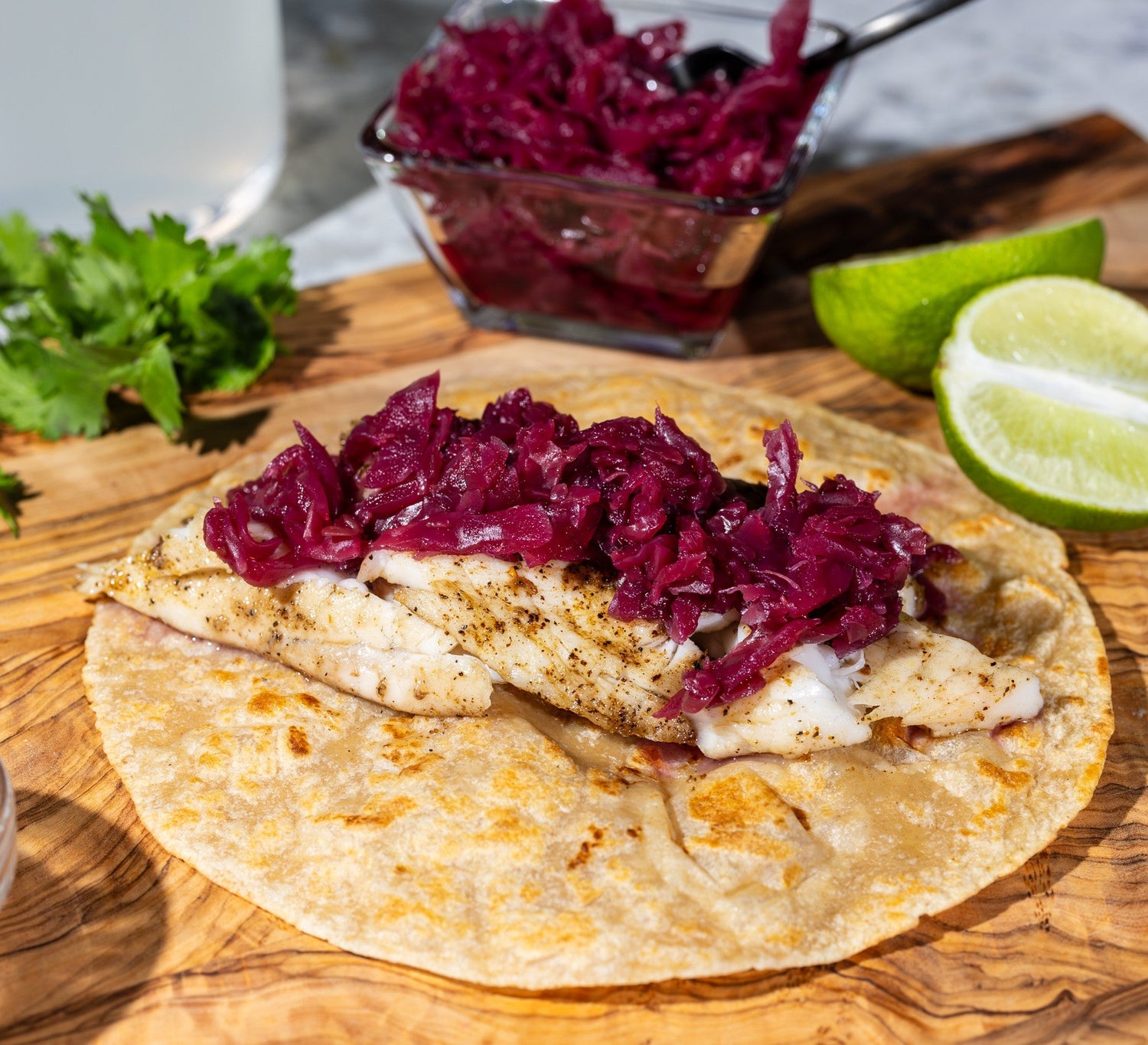
Our Rise & Puff tortillas offer a simple carbohydrate base that pairs easily with proteins, vegetables, and fats, without requiring much thought. They also allow for quick and easy-to-cook recipes.
Foods That Actually Help With Recovery
Recovery food works best when it is familiar and easy to digest. Whole foods tend to do this well.
Protein sources like chicken, turkey, eggs, seafood, beans, and dairy provide the amino acids muscles need to repair.
Carbohydrates such as tortillas, rice, potatoes, fruits, and beans help refill energy stores.
Vegetables, herbs, and oils bring in micronutrients that support overall health and reduce strain on the body.
The goal is not variety for its own sake. The goal is meals that feel steady and supportive without working against recovery.
Post-Workout Meals That Don’t Ask for Too Much
After training, the motivation to cook is often low. This is why meals need to meet the body where it is. Our Rise & Puff high protein tortillas cook quickly, hold fillings well, and reduce decision fatigue.
A chicken and veggie quesadilla works because it is simple and filling. Cooked chicken, peppers, and a bit of cheese in a warm tortilla. It is complete and simple, with no complicated steps.
For early workouts, an egg-and-spinach wrap fits easily into the morning. Eggs bring protein. Spinach adds nutrients without heaviness.
Shrimp with peppers and onions creates a lighter option. Shrimp cooks fast and does not sit heavily in the stomach.
A black bean and cheese quesadilla works well on days when plant-forward meals feel better. Beans provide both protein and carbohydrates, which help stabilize energy levels.
On days when cooking feels like an effort, a turkey-and-avocado wrap comes together quickly. It is simple, filling, and requires very little preparation.
Our Rise & Puff tortillas help hold all of this together. They make meals easier to repeat, which matters more than creativity.
Where Rise & Puff Fits

Rise & Puff tortillas are built for everyday eating, not special occasions. Their simplicity makes them useful after workouts, when energy is low, and decisions feel harder. Balanced meals are a proportion of proteins, fats, carbohydrates, and micronutrients that are really helpful.
Recovery meals should not feel like another task. When food feels easy and comforting, consistency follows.
The Bigger Picture
Post-workout nutrition supports recovery, energy, and long-term performance. It does not need strict rules. It needs balance, repetition, and ease.
When recovery feels manageable, training becomes sustainable. That is where real progress settles in. So every time you’re in doubt about what to have post-workout, Rise & Puff tortillas can fit naturally into recovery meals that feel simple and supportive.


Leave a comment
All comments are moderated before being published.
This site is protected by hCaptcha and the hCaptcha Privacy Policy and Terms of Service apply.