

“Clean ingredient” is a phrase that shows up everywhere now, from snack packaging and frozen meals to protein bars and restaurant menus. The problem is that it sounds more specific than it actually is. Different brands use it differently, and different shoppers interpret it differently.
For some people, clean means short ingredient lists. For others, it means fewer preservatives or recognizable foods. That is where the confusion starts. Because there is no single official definition that applies to every product. And honestly, that makes shopping harder than it needs to be.
A lot of people end up overthinking labels instead of understanding what they are actually looking at. The goal of this guide is not to make food feel complicated or restrictive. It is the opposite.
In this blog, we’ll break down the meaning of clean ingredients, what clean label usually refers to, what these phrases do not guarantee, and how to read ingredient lists more practically.
What Does Clean Ingredients Mean?
The meaning of clean ingredients is usually pretty simple in practice. Most of the time, people use it to describe foods with:
- recognizable ingredients
- shorter ingredient lists
- fewer artificial colors or flavors
- fewer preservatives
- ingredients that feel closer to home cooking
Instead of long chemical-sounding ingredient lists that most people do not recognize immediately. “Clean ingredients” is not a strict legal category. There is no official government rule that decides whether a product qualifies as “clean.”
According to the Institute of Food Technologists, clean label products are generally understood as foods made with as few ingredients as possible and ingredients consumers recognize and view as wholesome.
That means the phrase is mostly about simplicity and transparency.
What are Clean Ingredients in Food?

When people ask what clean ingredients in food are, they are usually talking about familiar ingredients they recognize easily. Examples often include:
- flour
- water
- sea salt
- avocado oil
- eggs
- real cheese
- vegetables
- fruit
- herbs and spices
The idea is clarity. You can read the label and understand what is inside without needing further explanations. But context still matters. One ingredient does not automatically make an entire product “good” or “bad.”
For example:
- Cheese is recognizable
- Butter is recognizable
- Sugar is recognizable
That does not mean unlimited amounts suddenly become healthier choices. Clean ingredients are usually about transparency first. That distinction matters because food labels are often debated heavily online.
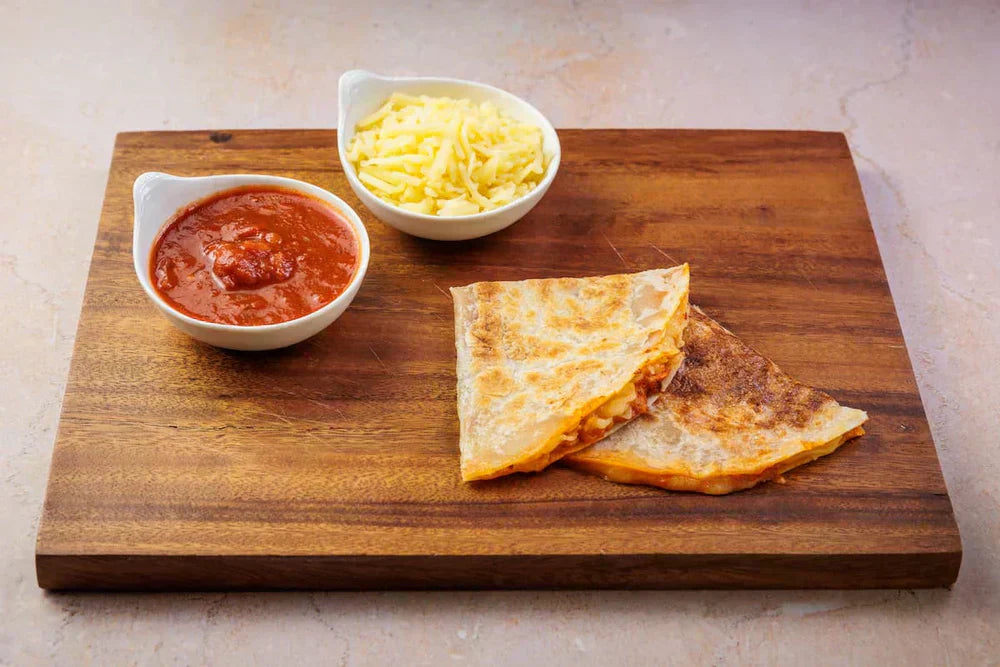
The better approach is usually practical. Understand what is in the food. Then decide whether it fits your routine. Rise & Puff quesadillas clearly list their ingredients below each product. Brands like ours set standards for transparency and clarity.
Clean Label Food Definition: What it Really Means
The definition of clean-label food is largely driven by consumer expectations and industry trends. Not a legal regulation.
The IFIS notes that there is no official legal definition for “clean label” in food labeling. That means companies interpret the phrase differently. But a clean label does not automatically mean low-calorie or minimally-processed.
Those are separate ideas entirely. A frozen food can still have a simple ingredient list. A snack can still contain sugar while using recognizable ingredients. That is why understanding the phrase matters more than reacting to the marketing alone.
Clean Ingredients vs Processed Food
Clean ingredients and processed food are not opposites. They describe different things.
Processed food refers to how much the food has changed from its original form. A food can still be processed while having a relatively simple ingredient list. Examples include:
- frozen fruit
- plain yogurt
- canned beans
- tortillas
- cheese
Processing itself is not automatically bad. Some processing improves shelf life, convenience, or food safety. The important distinction is understanding how the product is made and what ingredients are included.
Not assuming all processed foods belong in one category. That oversimplifies food too much.
What Clean Ingredients Do Not Guarantee

Clean ingredients do not automatically mean a product is healthier in every way. A product with recognizable ingredients can still be:
- high calorie
- high sodium
- high sugar
- low protein
- unsuitable for certain diets
That is why nutrition facts still matter alongside ingredient lists. A frozen dessert may have simple ingredients and still be something you enjoy occasionally. A snack may use avocado oil and still not fit every nutrition goal. The label alone does not tell the entire story. That is why balance matters more than marketing phrases.
Clean label is helpful. But it should not entirely replace basic nutrition awareness.
Where Rise & Puff Fits Into Clean Ingredients
Rise & Puff products fit naturally into the clean-label conversation because our products focus on ingredient simplicity and convenience.
Our tortillas use recognizable ingredients. Our frozen quesadillas are designed to stay practical and easy to prepare without overly complicated ingredient lists.
All our products keep the focus on straightforward meals that people can understand quickly.
And for busy routines, convenience still matters too. Simple ingredients become much more useful when the meals are also realistic to prepare during everyday life.


Frequently Asked Questions
What does clean ingredients mean?
Clean ingredients usually mean simple, recognizable ingredients and fewer artificial additives.
Are clean ingredients the same as clean label?
Not exactly. Clean label usually refers to how clearly and simply a product presents its ingredients.
Do clean ingredients mean a food is unprocessed?
No. A food can be processed and still have a simple, recognizable ingredient list.
Do clean ingredients always mean better nutrition?
No. Calories, sugar, sodium, protein, and portions still matter.
Clean Ingredients Should Make Food Easier to Understand
Clean ingredients usually mean simple, recognizable, and transparent. That is the core idea.
The clean label movement mostly reflects a shift toward foods that feel easier to understand and easier to fit into real routines. But ingredient lists still work best when paired with practical thinking.
Nutrition facts still matter. Portions still matter. Context still matters. The best food choices are usually the ones that feel clear, balanced, and realistic enough to repeat consistently.
Explore the Rise & Puff collection for simple, convenient meals made with ingredients you can understand.


Leave a comment
All comments are moderated before being published.
This site is protected by hCaptcha and the hCaptcha Privacy Policy and Terms of Service apply.