

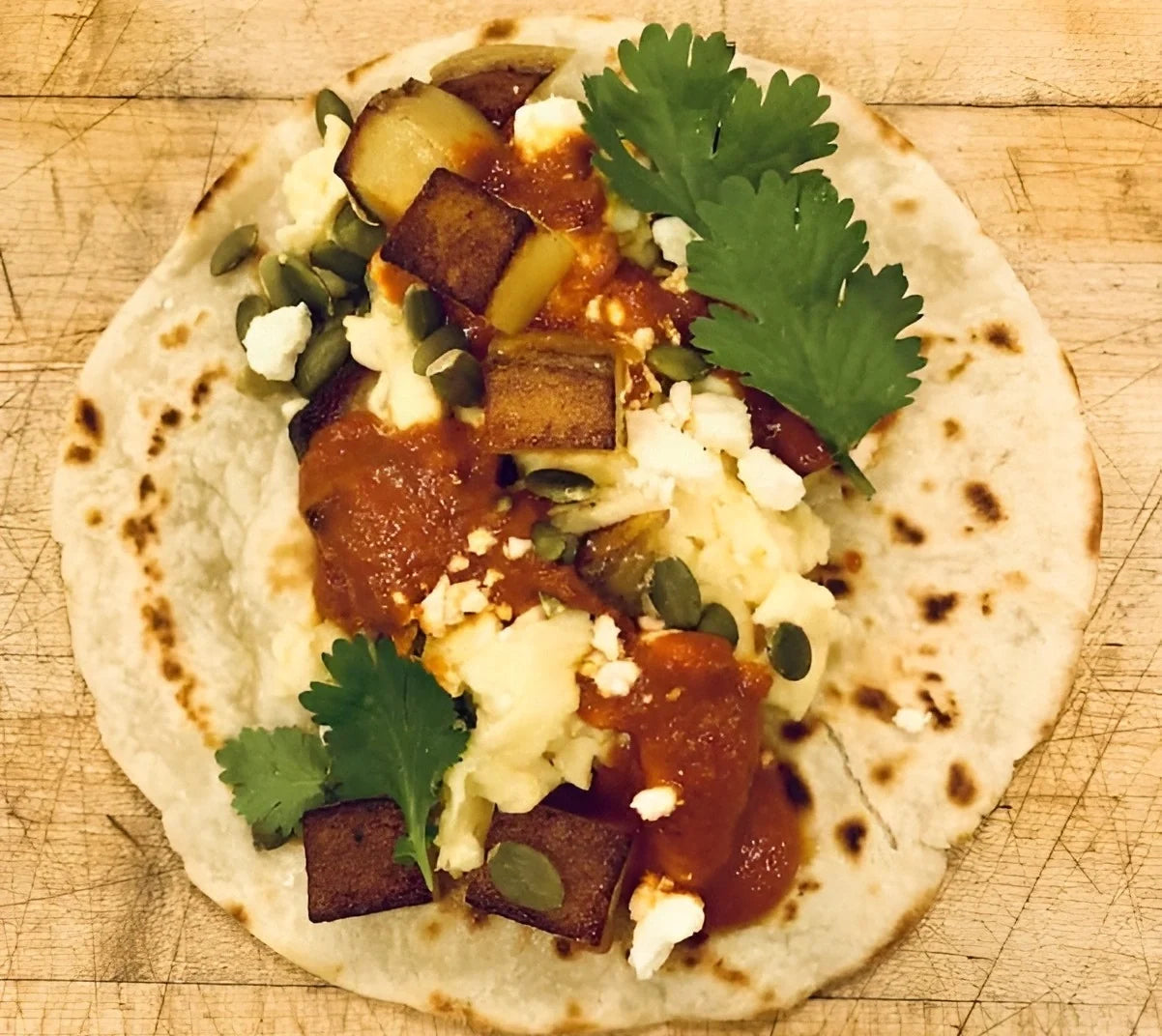
A vegetable-filled quesadilla sounds simple enough: add some peppers, layer on spinach, fold the tortilla, and cook. But then a mushroom appears, a strip of zucchini slips out, and suddenly the entire quesadilla turns into a soggy mess.
The vegetables were never the problem. The trick is knowing how to prep the vegetables so the tortilla stays crisp, the filling stays put, and every bite still tastes like a quesadilla you wanted in the first place. In this guide, we’ll cover which vegetables work best, how to prep them, and how to build combinations the whole table can get behind.
How to Add Vegetables to Quesadillas Without a Soggy Center
The trick is to prepare the vegetables properly before assembling your quesadilla. By removing excess moisture, cutting the vegetables into small pieces, and keeping the filling balanced, you can enjoy a crisp, golden quesadilla with perfectly cooked vegetables in every bite.
Cook the Water Out First
Mushrooms, zucchini, spinach, and onions hold a lot of water, and that water eventually ends up in your tortilla. Sauté them until the pan is dry, then cool them briefly so that trapped steam does not soften the crust.
Chop Smaller Than You Think
Dice peppers, mushrooms, and broccoli fine enough that every bite gets a little of everything, not one dramatic chunk. Small pieces also fold into melted cheese instead of sliding out.
Layer Instead of Piling
Spread the vegetables evenly toward the edges. More filling does not make a better quesadilla, just a heavier one that falls apart. Keep enough cheese around them to bind everything.
Get these three right and the tortilla stays crisp and the filling stays put.
The Best Vegetables for Quesadillas and How to Prep Them
Most lists simply name vegetables. We will group them instead by how much work they need first.
Quick-Cooking Greens
Quick-cooking greens are an easy way to add freshness, color, and flavor to your quesadillas without requiring much preparation. Spinach, finely chopped kale, and scallions work especially well, but they can release moisture as they cook. To keep your quesadilla crisp rather than soggy, wilt the greens beforehand or use them sparingly, making sure any excess water is removed before adding them to the tortilla.
Vegetables That Benefit From a Quick Sauté
Bell peppers, mushrooms, onions, and zucchini benefit from a quick sauté before they are added to a quesadilla. Cook them until they develop some browning, as this adds flavor while helping excess moisture evaporate.
Vegetables Worth Roasting First
Sweet potatoes, broccoli, and cauliflower are best roasted before adding them to a quesadilla. Cut them into small, bite-sized pieces so they cook evenly, and the quesadilla can still fold neatly without becoming overstuffed.
Easy Additions With Minimal Prep
Corn, jarred roasted peppers, and leftover cooked vegetables are convenient options for making a quesadilla with minimal preparation. They can be added directly to the filling, making them especially useful for a quick weeknight meal.
Sorting how to add vegetables to quesadillas by prep category keeps a weeknight meal quick rather than a project.
Flavor Is Your Best Vegetable Strategy

Vegetables land better inside a combination someone actually wants, not an obligation folded into cheese. Pairings we return to:
- Mushroom + caramelized onion + Gruyère
- Spinach + pesto + mozzarella
- Bell pepper + chicken + cheddar
- Corn + black beans + lime
- Sweet potato + black beans + a sharp cheese
Herbs, salsa, pesto, and a bright dip do quiet work here. Familiar flavors make new vegetables easier to welcome.
Quesadilla Dinner Ideas for Families Without Any Debate
The best quesadilla ideas for families have less to do with hiding anything and more to do with choice.
Set out small bowls of prepped vegetables, cheese, protein, and sauces, and let everyone build their own. Ask for one familiar filling plus one vegetable to try. Finely chopped vegetables in a favorite combination land better than an entirely different dinner, and a plate with peppers and corn looks more inviting.
Low-Calorie Quesadilla Fillings That Still Bring the Flavor
We focus on flavor first and let the numbers follow. These combinations bring plenty of texture and variety while keeping the filling balanced:
- Peppers + onions + chicken: A simple combination that adds sweetness, savory flavor, and lean protein.
- Mushrooms + spinach + a measured amount of cheese: Earthy mushrooms and fresh spinach pair well with a little cheese for richness.
- Zucchini + corn + black beans: This combination adds natural sweetness, fiber, and plenty of texture.
- Roasted vegetables + herbs + mozzarella: Roasting brings out the vegetables’ natural flavors, while herbs and mozzarella add freshness and creaminess.
Vegetables add bulk, color, and texture to a quesadilla, making these low-calorie filling combinations satisfying without relying on heavy sauces. With the right balance of ingredients, you can keep the quesadilla light while still making every bite flavorful.
How to Make Quesadillas Lower in Calories Without Making Them Boring
Most advice on how to make quesadillas lower in calories starts with subtraction. Proportion works better.
- Let vegetables carry the volume and texture.
- Use enough cheese for melt and flavor, not as the whole filling.
- Choose a lean protein when it fits.
- Lean on herbs, salsa, roasted peppers, and spices.
- Watch the cooking oil instead of pouring automatically.
Our Meal Prep for Weight Loss guide covers the balanced build in detail. The goal never changes: a crisp, melty quesadilla.
A good quesadilla is the sum of its parts: the tortilla, filling, vegetables, protein, portion, and whatever you serve alongside it. There is no need to turn dinner into a good-food, bad-food calculation.
Start With a Tortilla That Lets the Filling Shine
A homemade vegetable quesadilla needs a tortilla that's flexible enough to fold and sturdy enough to crisp up.
Our Original Tortillas use four ingredients: flour, avocado oil, sea salt, and water, with no preservatives and 100 calories each. They puff up soft and flaky in about 60 seconds, giving you a simple base for whatever combination you build. For more protein in the base, our High Protein Tortillas bring 10g of protein and 2g net carbs each. Both give you a flexible base for building the vegetable, cheese, and protein combinations that work for your table.
With a base that behaves, adding vegetables to quesadillas is no longer a gamble.
FAQs
Should vegetables be cooked before going into a quesadilla?
Usually yes for moisture-heavy vegetables such as mushrooms, spinach, onions, and zucchini. Cooking improves texture and helps the tortilla stay crisp.
How do you keep vegetable quesadillas from getting soggy?
Cook off the excess moisture, avoid overfilling, and assemble once the vegetables have stopped steaming.
What vegetables are easiest to put in quesadillas?
Peppers, spinach, mushrooms, onions, corn, zucchini, and leftover roasted vegetables all pair easily with cheese and sauces.
How to add vegetables to quesadillas for picky eaters?
Start small, chop finely, pair with familiar flavors, and let everyone choose their own portion of the filling.
More Color, More Crunch, Less Negotiating

Remember that first quesadilla falling apart on the counter? The vegetables were never the problem.
Once you know how to add vegetables to quesadillas without creating extra moisture or bulk, the combinations become much easier to play with. Choose your favorite combination, grab a pack of Rise & Puff tortillas, and make tonight’s quesadilla one that everyone can customize and enjoy.


Leave a comment
All comments are moderated before being published.
This site is protected by hCaptcha and the hCaptcha Privacy Policy and Terms of Service apply.