

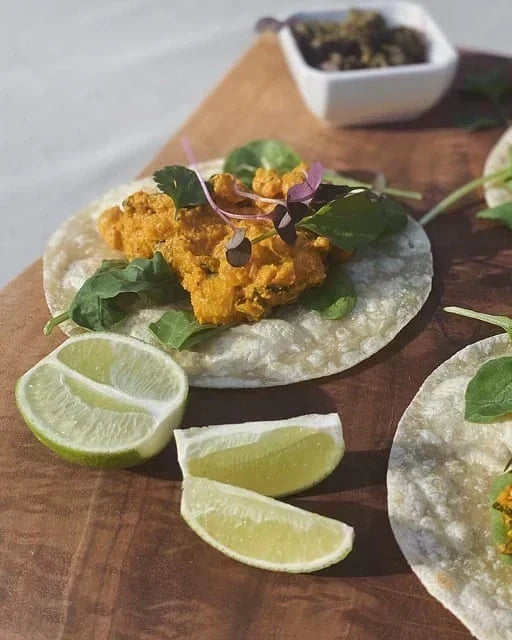
There is a real difference between a tortilla lifted straight off a hot pan and one eaten cold from the bag. The good one is warm and flexible, freckled with browning, bubbles rising across the surface as it cooks.
Getting there depends less on a complicated ingredient list than on a few details going right. This guide covers dough, resting, rolling, heat, the puff, and storage. There is also a faster route to the same fresh-pan tortillas.
What Actually Makes Tortillas Turn Out Soft and Flexible?
Great results come down to moisture, dough rest, even thickness, a properly heated surface, and a short cook time. The five variables that make tortillas turn out soft and flexible are:
- Hydration: Enough water keeps the dough workable rather than stiff.
- Fat: In wheat-based versions, it contributes tenderness.
- Resting: It relaxes the dough so it rolls more easily.
- Thickness: It gives consistent cooking and a better puff.
- High, Controlled Heat: It cooks fast enough to avoid drying out.
An ingredient list can be short. Technique still decides the texture.
Flour Tortillas vs. Maize Flour Tortillas: Know Your Starting Point
Before technique matters, decide what you are working with. The two common bases behave differently in the bowl and the pan.
Flour Tortillas
Flour tortillas are typically wheat flour, water, fat, and salt. Gluten gives the dough stretch, which is why it rolls thin and folds without cracking. The texture tends to be softer and more pliable.
Maize Flour Tortillas
Corn-based versions behave differently. Traditional ones use masa harina rather than wheat flour and do not rely on gluten for elasticity. The dough, the pressing technique, and the moisture balance all change.
Neither is harder. They simply ask for different hands.
Step-by-Step: How to Make Flour Tortillas From Scratch
There are 6 steps to making a tortilla from scratch.
- Mix the dough. Combine flour, water, salt, and your chosen fat, only until it comes together.
- Let it rest. This hydrates the flour and stops the dough from springing back later.
- Divide evenly. Similar-sized balls cook at similar rates.
- Roll thin and even, working from the center outward. Thin spots scorch; thick areas stay doughy.
- Heat the pan first. A dry skillet or griddle should be hot before the first one lands.
- Cook quickly. Watch for bubbles and browning, then pull it. Left too long, it turns brittle.

The Puff Is the Part Everyone Watches
When a tortilla puffs, heat turns the moisture inside to steam while the surface sets just enough to trap it. That is the entire trick.
It depends on even thickness, sufficient moisture, a hot surface, and a structured dough. Nothing needs to inflate into a giant balloon, and scattered pockets are normal. Puffing changes texture, not just looks: those pockets give you a lighter, more layered bite.

Why Homemade Tortillas Sometimes Go Wrong
Most problems trace back to one of six causes.
|
Problem |
Likely Cause |
What to Try |
|
Dough keeps shrinking |
Not rested enough |
Give it more time before rolling |
|
Feels dry |
Too little moisture, or overcooked |
Adjust hydration and shorten cook time |
|
Thick, doughy spots |
Uneven rolling |
Roll more evenly |
|
No bubbles |
Pan too cool or dough too thick |
Raise the heat and roll thinner |
|
Turns brittle |
Cooked too long |
Pull it once lightly browned |
|
Stack dries out |
Left uncovered |
Keep the finished ones covered |
Every fix has a technique adjustment, not another ingredient.
What About Maize Flour Tortillas?
The goal is the same; the method shifts. Corn dough is usually pressed rather than rolled, and moisture balance matters more without gluten providing stretch.
Cook on a hot griddle until the surface sets and browning appears, then keep them covered so they stay warm and pliable.
What Should You Look for in a Better Everyday Tortilla?
When shoppers search for healthy tortillas, they usually mean something specific: a simpler ingredient list, a product that suits their preferences, a thoughtful oil, a sensible portion, and fewer additions.
Taste is not the thing to trade for any of that. It still has to warm properly, fold without breaking, and hold what goes inside. If it cracks on the first fold, the ingredient list stopped mattering a while ago.
The Faster Route to Fresh-Off-the-Pan Tortillas
Mixing, resting, portioning, and rolling make a good Saturday. Most Tuesdays are a different situation.
Our Original Tortillas sit between fully homemade and ordinary packaged bread. They arrive par-cooked, made with four ingredients: flour, pure avocado oil, sea salt, and water. No preservatives, 100 calories each, ready in about sixty seconds. We do the dough work in advance so you still get the best part: the hot pan, the steam, and the puff rising under your hands.

How to Cook Rise & Puff Tortillas for the Best Puff
Cooking a tortilla requires a perfect puff. Following these steps ensures that the “puff” is never compromised.
- Preheat the pan. Nonstick pan or grill over medium heat.
- Skip the oil. None is needed.
- Cook the first side. Roughly 20 to 30 seconds.
- Flip. Another 20 to 30 seconds.
- Watch for the puff. Let the bubbles rise instead of pressing them flat.
- Serve warm. Leave it longer for a crisper finish.
Fresh off the heat, they lose moisture as they sit. Stack them under a clean towel or a tortilla warmer while the rest finish cooking.
For ours: refrigerate unopened packs for up to 4 weeks; use within 7 days once opened; or freeze in the package for 6+ months, then thaw overnight.
Frequently Asked Questions
What is the secret to soft tortillas?
Use enough moisture, rest the dough, roll evenly, and cook quickly on a hot surface. Overcooking is the fastest way to dry them out.
Why don't my tortillas puff?
The pan may be too cool, the dough may be too thick or uneven, or there may not be enough moisture to generate steam.
Do you need oil in the pan?
Most flour-based versions cook on a dry, hot skillet. Ours call for a nonstick pan or grill with no added oil.
Can you freeze homemade tortillas?
Yes. Cool them first, wrap carefully, and freeze in a sealed package to limit drying and freezer burn.
From Dough to Puff, Technique Makes the Difference
Simple ingredients only deliver when moisture, thickness, heat, and timing line up. That is the whole craft of tortillas, and it is learnable in an afternoon.
When rolling dough sounds like a good Saturday project, enjoy every minute. When dinner needs to happen now, heat a Rise & Puff Tortilla for sixty seconds and keep the best part anyway: watching it puff.


Leave a comment
All comments are moderated before being published.
This site is protected by hCaptcha and the hCaptcha Privacy Policy and Terms of Service apply.