

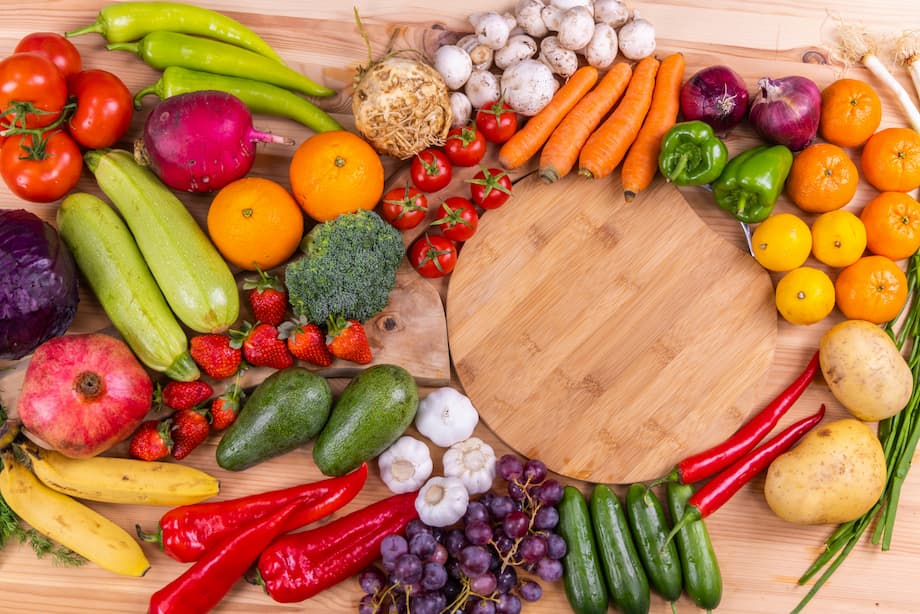
We talked with all kinds of eaters, night-shift nurses, gym bros, and plenty of regular folks juggling jobs, kids, and commutes, and we noticed a common theme. Simple things work best. You don’t need a hardcore plan or a color-coded meal spreadsheet to be successful. Try these three small changes that keep flavor front and center while nudging your habits in a healthier direction.
1) Eat What You Love (Just Less of It)
Deprivation backfires. It starts off as “I’m being good” and ends with “I ate it all.” Instead of cutting your favorite foods, shrink the portion and savor it. That might mean splitting dessert, choosing a small cone instead of a pint, or pre-portioning snacks. Balance your plate, too: half veggies, a quarter protein, a quarter starch, then add the treat you actually want. That keeps happiness on the menu and energy steady. Love nachos? Use half the chips, add black beans, and extra salsa. Same vibe, lighter load.

Easy ways to practice moderation
- Downsize (tall vs. grande; small plate vs. dinner plate).
- Pre-portion snacks into bowls or baggies instead of eating from the package.
- Upgrade the experience: sit, slow down, and actually taste it. You’ll be surprised how quickly “enough” shows up when you’re paying attention.
2) Take Away Temptation
Willpower is overrated. Your kitchen decides what you eat. If it’s in the house, it can wind up in your mouth. Make the easy thing the better thing by curating what’s within arm’s reach.

Pantry refresh with minimal ingredients
- Trade sugar-bomb bars for nuts and dried fruit, or simple ingredient granola.
- Swap greasy chips for popcorn, seed crackers, or roasted chickpeas.
- Stash seltzers, citrus, and tea, so soda isn’t the default.
Make good choices easy and fast. Keep hummus or yogurt-herb dip ready, wash carrots and cucumbers on grocery day, warm tortilla wedges for quick dippers, and store a “rescue meal” in the freezer. Your space shapes your habits, so set it up to win on tired days.
3) Fresher Is Better
Fresh, in-season food tends to taste better and can retain more of certain nutrients when it hasn’t been shipped forever. You’ll naturally eat more plants when they’re juicy and delicious. Not everything has to be farmers-market fancy, just tilt your cart toward seasonal picks and “short-label” items.

Fast ways to add freshness
- Build a 2-minute side salad: lemon, olive oil, salt, and whatever greens you’ve got.
- Buy one seasonal fruit each week and make it your go-to sweet treat (peaches in summer, apples/citrus in cooler months).
- Keep frozen produce as your back-up; they’re picked at peak ripeness and great for quick meals when fresh is pricey or unavailable.
- Use herbs and acids (basil, cilantro, dill, lemon, vinegar) to make simple food pop.
Want a quick weeknight meal? Warm a tortilla, load half with sautéed frozen veggies, add leftover chicken or beans, and finish with lemon and herbs. Fold, crisp, done. Fresher taste, minimal effort.
A Mini “3-Change” Game Plan
- Choose one favorite food and downsize the portion. Enjoy it, don’t rush it.
- Replace one frequent “whoops” snack with a minimal ingredient alternative and move fruit to where it’s easily accessible.
- Add one seasonal produce item and one herb to your cart; use them three times this week.

Fast FAQs
- Do I need to cut carbs or sugar? No. Keep what you love. Shrink portions and add more plants and protein.
- What if fresh produce is costly? Buy in season and use frozen as backup. It’s often nutritious, cheaper, and lasts longer.
- How do I keep this going? Pair a tiny habit with something you already do (e.g., make a 2-minute salad while the pan heats).
The Takeaway
Healthy eating that sticks is simple. Don’t overhaul your life. Make tiny, tasty tweaks. Eat what you love in reasonable amounts. Stock your space for better choices. Lean into fresh, simple food. Repeat next week. That’s the secret sauce!
Sources
Harvard T.H. Chan School of Public Health — Healthy Eating Plate (balanced portions; half veggies/fruits): https://www.hsph.harvard.edu/nutritionsource/healthy-eating-plate/
CDC — Healthy eating at home (environmental cues; make healthy choices easier): https://www.cdc.gov/healthyweight/healthy_eating/index.html
USDA Seasonal Produce Guide (what’s in season & why it helps taste/cost): https://www.nutrition.gov/topics/shopping-cooking-and-food-safety/seasonal-produce
Harvard Health — Mindful eating basics (slow down, savor, portion awareness): https://www.health.harvard.edu/staying-healthy/mindful-eating
Academy of Nutrition and Dietetics — Frozen vs. fresh produce (nutrition & convenience): https://www.eatright.org/food/planning-and-prep/smart-shopping/fresh-canned-or-frozen-produce-whats-the-difference


Leave a comment
All comments are moderated before being published.
This site is protected by hCaptcha and the hCaptcha Privacy Policy and Terms of Service apply.