

Fresh food is considered the best by everyone. But when it comes to the nutritional differences between frozen and fresh food, the actual science is more complicated than conventional wisdom suggests.
Freezing doesn’t automatically drain food of its nutrients. Whether a frozen meal is a smart choice comes down to the ingredients, how the food was prepared, how long it’s been stored, and what else is in the package. Those factors matter far more than whether something spent time in a freezer.
In this blog, we discuss what research actually says, what to watch for on labels, and how frozen meals can fit into a real, busy eating routine without feeling like a nutritional compromise.
Do Frozen Meals Lose Nutrition?
Generally, no. The nutritional value of frozen food largely remains the same. Lowering temperatures slows bacterial growth and reduces spoilage, helping food maintain its quality for longer. Some nutrient loss can happen during processing, storage, or reheating, but the freezer itself isn’t the problem most people assume it is.
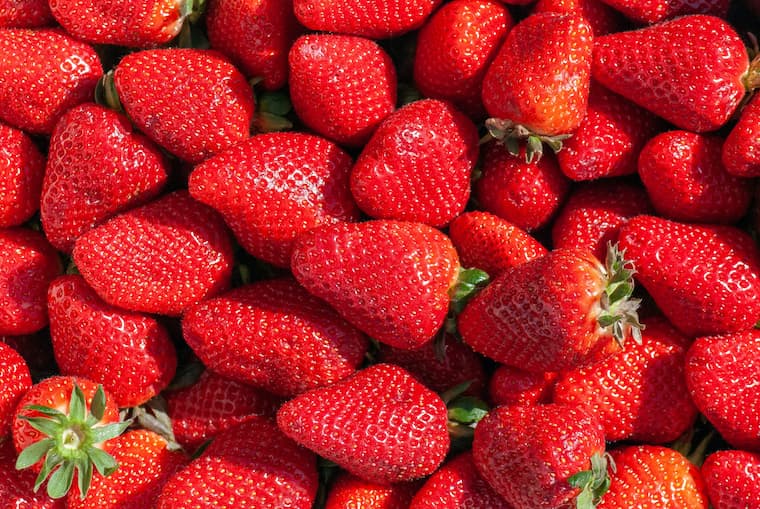
Fresh food isn’t immune to this either. Produce can spend days in transit before it reaches a store, then more time in your refrigerator before you eat it. Some vitamins decline during that window. Research comparing frozen and fresh produce has found that the two are often nutritionally similar, and that frozen produce sometimes retains nutrients better than fresh items that have been sitting around for several days.
The short answer: freezing doesn’t automatically mean less nutrition.
Frozen Versus Fresh Food Nutrition: What Actually Changes
When it comes to frozen versus fresh food, there isn’t a clean either/or comparison. What actually affects nutritional quality includes how fresh the ingredients were before freezing, whether vegetables were blanched beforehand, how long the product has been stored, whether freezer temperatures stayed stable, how the meal gets reheated, and what goes into the sauces and seasonings.
Freezing slows spoilage and protects ingredients from rapid deterioration. That’s a real advantage. The gradual decline in quality occurs when products sit frozen for a long time or are thawed and refrosted repeatedly, not simply because they were frozen in the first place.
Comparing specific foods gives you more useful information than assuming entire categories are better or worse.
What to Look for in a Healthy Frozen Meal

The freezer aisle is overwhelming, but labels aren’t complicated once you know what to check.
- Protein keeps meals satisfying and supports fullness through the day.
- Sodium varies widely across frozen products, so comparing labels before buying is worth the extra minute.
- Fiber contributes to satisfaction and overall balance in eating.
- Added sugars show up more often than expected, especially in sauces and dressings.
- Saturated fat provides context for the overall composition.
The ingredient list should contain things you actually recognize. Serving size should be realistic. If it looks small on paper, it’ll feel small on a plate.
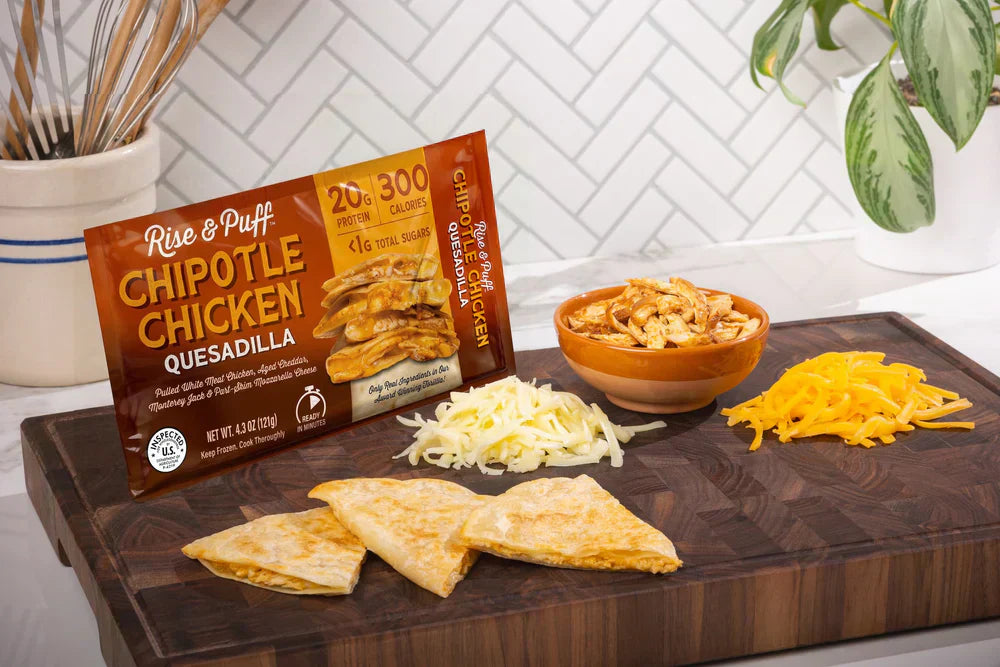
Rise & Puff’s clean-ingredient tortillas are built around this idea: flavorful ingredients and convenience that fit the way people actually eat.
Do Frozen Meals Need Artificial Preservatives?
Often, the freezing process itself provides preservation, which is why some products can skip artificial preservatives entirely. That said, ingredient lists still tell the real story.
When you read a label, check whether the ingredients are recognizable, whether added colors or flavors appear, and whether the list matches what you’d actually want to eat.
Don’t assume that “frozen” automatically means heavily preserved, but don’t assume that “natural” on the label means better nutrition either. Informed reading beats assumptions every time.
The Biggest Nutrition Traps in Frozen Meals
Most concerns about frozen food aren’t really about freezing. They’re about what gets added to certain products. Things worth watching for include excess sodium, heavy cream-based sauces, high added sugar, low protein, low fiber, unrealistic serving sizes, and meals that taste fine initially but leave you hungry an hour later.
None of these automatically disqualify a product. They just give you useful information for making better comparisons.
How to Make Frozen Meals More Balanced

Frozen Quesadillas, like the Rise & Puff Best Seller Bundle, pair surprisingly well with fresh ingredients. Adding a side salad, extra vegetables, fresh fruit, avocado slices, beans or lentils, fresh herbs, or a squeeze of lime can meaningfully improve both nutrition and satisfaction without much effort.
Frozen and fresh don’t have to compete. Using both strategically tends to work better than treating either as the default answer.
When Fresh Food Is Better, and When Frozen Makes More Sense
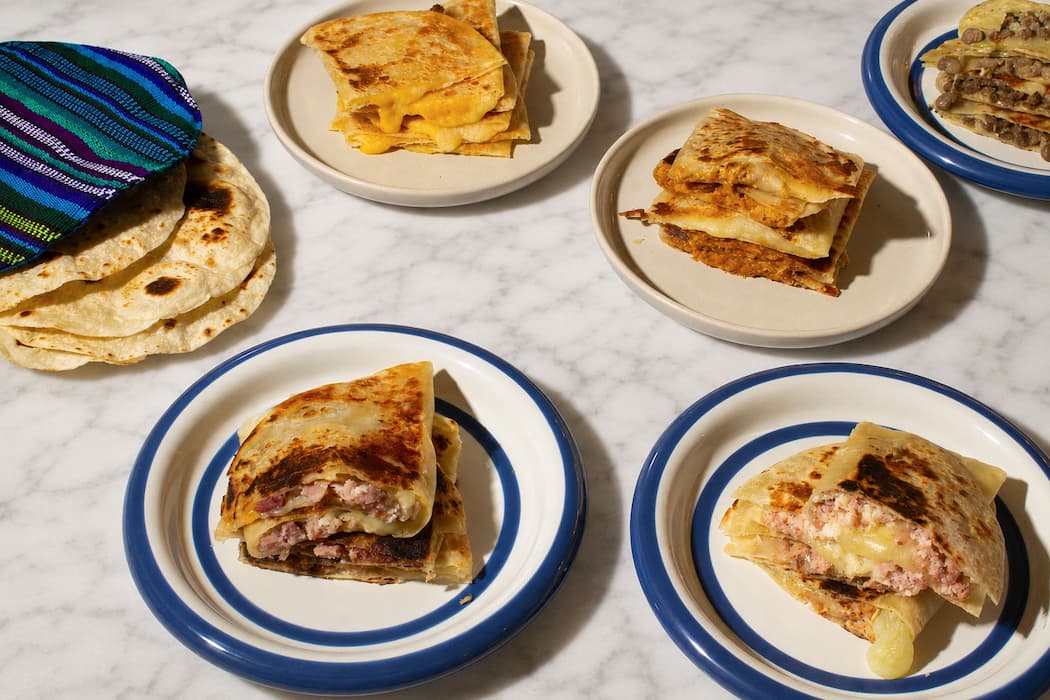
Fresh food tends to win for raw salads, fresh fruit, crisp vegetables, and garnishes. Frozen earns its place for busy breakfasts, quick dinners, cutting food waste, and being a solid option when takeout is the only alternative, like a frozen breakfast quesadilla for a busy morning when everyone is in a rush.
Neither category is universally better. The smarter approach is to use both, depending on the situation.


Frequently Asked Questions
Do frozen meals lose nutrition?
Not automatically. Ingredient quality, processing, storage conditions, and reheating methods have a far larger effect than freezing itself.
Is frozen food less nutritious than fresh food?
Not necessarily. Frozen produce often compares favorably to fresh produce that’s been stored for several days. It depends on the specific food.
What should I look for in a healthy frozen meal?
Check protein, fiber, sodium, added sugars, serving size, and whether the ingredients are recognizable.
How can I make frozen meals more filling?
Add fresh vegetables, fruit, avocado, beans, herbs, or a side salad. Small additions make a real difference in both nutrition and satisfaction.
The Bottom Line on Frozen Meals and Nutrition
Frozen meals don’t automatically lose their nutritional value. The more relevant questions are what the meal contains, how it’s stored, and how it fits into your overall eating habits. Freezing can preserve quality effectively, and many frozen products hold up well nutritionally against fresh alternatives that have traveled and sat around for days.
Focus on ingredient quality, protein, fiber, sodium, and balance. Convenience and good nutrition aren’t opposites.
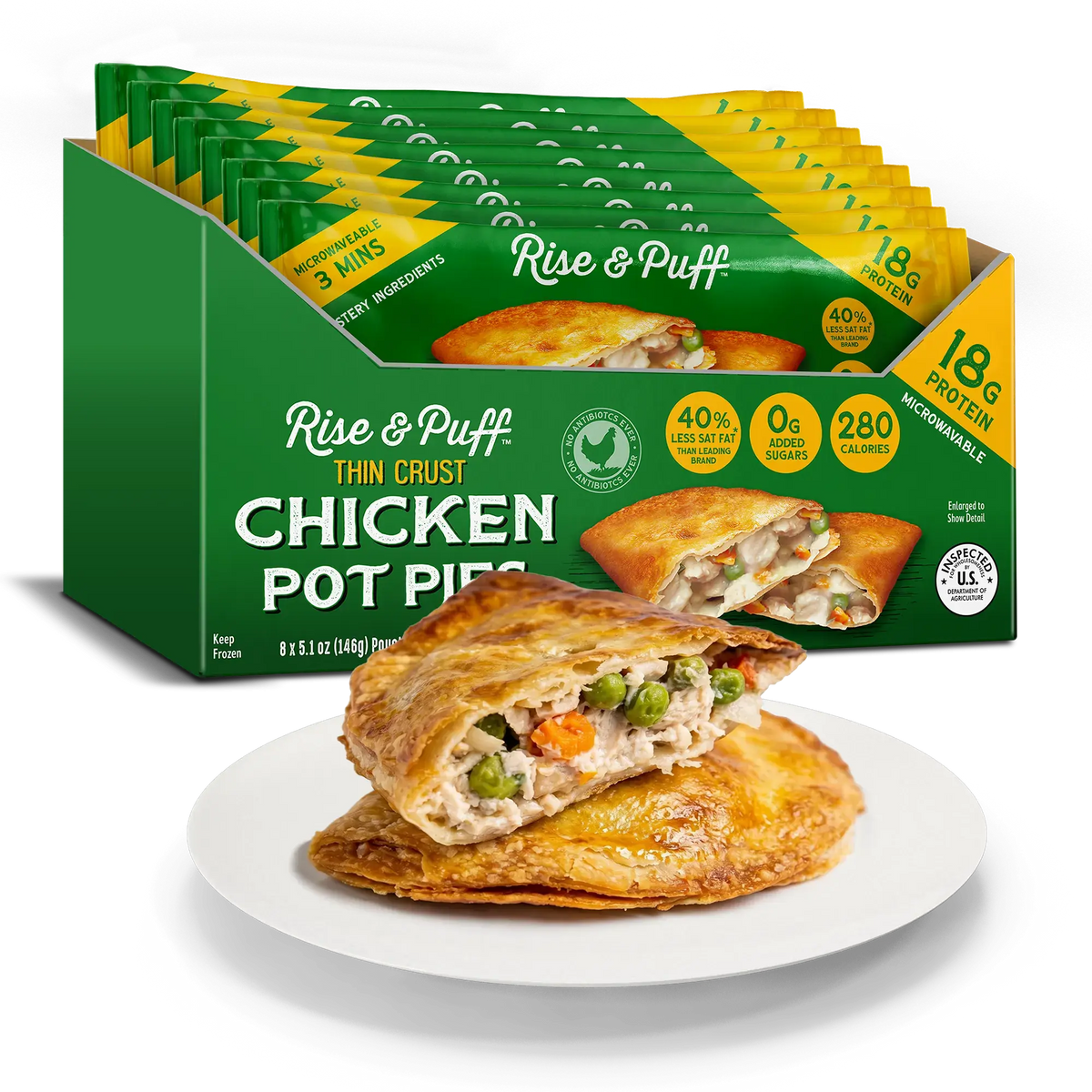
Keep Rise & Puff frozen meals and snacks on hand for options that make busy days easier without making you feel like you settled.


Leave a comment
All comments are moderated before being published.
This site is protected by hCaptcha and the hCaptcha Privacy Policy and Terms of Service apply.